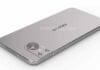
For nearly a decade, rumors about an iPhone Fold 2026 have circulated across the tech world. Every year, new leaks appear claiming that Apple is secretly working on a folding smartphone that could redefine the mobile industry. Now, those rumors are growing louder, and many reports suggest that Apple is finally preparing a device widely referred to as the iPhone Fold. This information is also featured on 9to9trends’ YouTube channel, so be sure to check it out.
However, instead of creating excitement, these leaks also raise serious concerns. Apple, a company known for shaping entire product categories, now appears to be entering the foldable smartphone market extremely late. Foldable phones have already existed for years, and multiple companies have experimented with different designs, features, and improvements. So the big question is not whether Apple can build a foldable phone, but whether the company can justify releasing one after so much time has already passed.

- Industry Leading noise cancellation-two processors…
- Industry-leading call quality with our Precise…
- Magnificent Sound, engineered to perfection with…
- Crystal clear hands-free calling with 4…

The concept of a foldable phone may still sound futuristic to some people, but in reality, it is no longer new. The basic idea behind the iPhone Fold 2026 is fairly straightforward. According to leaks, the device would look like a normal smartphone when closed. But when the user unfolds it like a book, the device transforms into something closer to a small tablet. On paper, this seems like a clever idea. A phone that can expand into a larger screen sounds convenient for watching videos, multitasking, reading documents, or playing games. But after years of real-world testing by other manufacturers, many people have realized that the concept comes with several compromises that are difficult to ignore.
The Display Design Raises Practical Questions
Leaks suggest that the iPhone Fold 2026 could feature a 7.8-inch internal display when opened. That would place it very close to the size of a small tablet, similar to devices like compact tablet computers. When unfolded, the larger screen would likely become the main experience for browsing, watching content, or working on multiple apps at once. However, when the phone is folded shut, the outer display may measure only around 5.5 inches.
- ✅ 160 Watt Output – Experience powerful,…
- ✅ 2.1 Channel with Wired Subwoofer – Enjoy…
- ✅ Integrated DSP (Digital Signal Processor) –…
- ✅ Bluetooth V5.3 Connectivity – Equipped with…
At first glance, this design sounds logical. The outer screen would handle quick tasks such as checking notifications, replying to messages, making calls, or quickly opening an app. Then, whenever users want a larger display, they can simply unfold the device. But in reality, this design approach has been criticized many times in other foldable phones. A small outer screen can feel cramped and uncomfortable to use for longer tasks, while constantly opening the device to access the main screen can become inconvenient over time.
This is one of the biggest problems with foldable smartphones. Instead of improving the smartphone experience, many foldable designs end up creating two different experiences that both involve compromises. The smaller outer display often feels limited, while the larger inner display requires unfolding the device every time. For many users, a normal smartphone already provides a comfortable screen size without requiring extra steps.
- Active Noise Cancellation reduces unwanted…
- Adaptive Transparency lets outside sounds in while…
- Personalised Spatial Audio with dynamic head…
Apple’s Long Delay in the Foldable Market
One of the most noticeable things about the rumored iPhone Fold 2026 is just how late Apple appears to be entering the foldable smartphone market. Foldable phones first started appearing around the late 2010s. Over the years, multiple companies have released different models, experimenting with designs, hinge mechanisms, display materials, and durability improvements. Some of those devices have succeeded, while others have struggled with reliability and usability issues.
Apple, however, chose to stay completely silent during this period. According to various reports, the company spent years observing how the technology evolved before committing to its own design. Apple is known for this strategy. Instead of rushing into a new category, the company often waits until the technology matures and then attempts to refine the concept with a more polished product.
- Advanced Bluetooth calling: Upgrade to an…
- 1.72’’display: ColorFit Pro 4 features…
- 60Hz refresh rate: Get smoother scrolling &…
- Noise Health Suite: Know how your body is doing…
But the foldable market today is still far from perfect. Even the most advanced foldable phones continue to face challenges such as visible display creases, fragile hinge mechanisms, dust protection issues, and long-term durability concerns. This makes Apple’s delayed entry somewhat confusing. If the company waited this long to ensure the technology was ready, many people expected a revolutionary solution that would solve these problems completely. Instead, the rumors suggest that Apple may simply be releasing another foldable device with the same general design approach seen elsewhere.
- WHY APPLE WATCH SERIES 8 — Your essential…
- CELLULAR CONNECTIVITY — Send a text, make a call…
- EASILY CUSTOMISABLE — Available in a range of…
- INNOVATIVE SAFETY FEATURES — Crash Detection and…
Early Hardware Leaks Are Starting to Appear
Recently, the rumors surrounding the iPhone Fold 2026 gained more credibility when reports claimed that accessory manufacturers had received metal molds of the device. This step usually happens months before a smartphone launches, allowing case manufacturers and accessory companies to design products that fit the device perfectly. If these reports are accurate, it suggests that the external hardware design of the iPhone Fold 2026 may already be finalized. The molds provide clues about the shape, size, and layout of the device. Some leaks indicate that the phone could feature a vertical dual-camera system, which would be a noticeable change compared to the diagonal camera layout seen in many recent iPhones.

The back of the device is also expected to include a MagSafe ring, which means existing MagSafe chargers and accessories would still work with the foldable iPhone. While this is a practical decision, it is hardly surprising. Apple has invested heavily in the MagSafe ecosystem, and removing it from a premium device would likely frustrate users who already rely on those accessories.
- Full HD 1080P IPS Screen:Immerse yourself in a…
- Portable Monitor with Stand:The ARZOPA portable…
- Multiple Display Modes:Choose from duplicate mode,…
- Ultra Slim Design:Designed for easy travel, ARZOPA…
A Possible Return of Touch ID
Another interesting rumor about the iPhone Fold involves Apple’s authentication system. For several years, Apple has strongly promoted Face ID as its primary biometric security feature. Face ID uses advanced sensors and infrared technology to scan a user’s face and unlock the device. However, the folding structure of the iPhone Fold may create space limitations inside the device. According to several leaks, there may not be enough room to include the full Face ID hardware system. As a result, Apple might bring back Touch ID by placing a fingerprint sensor inside the power button.

For some users, this could actually be a welcome change because fingerprint sensors are simple and reliable. But for Apple, it also represents a surprising step backward. The company spent years positioning Face ID as the future of smartphone security. If the iPhone Fold 2026 truly abandons Face ID due to space limitations, it highlights the engineering challenges that foldable devices still face.
- DS620 endoscope Camera with light
The Hinge and Durability Concerns
Perhaps the most critical part of any foldable phone is the hinge. This mechanism allows the device to open and close repeatedly while protecting the flexible display inside. Many foldable phones have struggled with hinge durability, dust resistance, and long-term wear.
Leaks suggest that Apple may introduce a liquid-metal hinge design in the iPhone Fold. Liquid metal is known for its strength and resistance to deformation, which could help improve the durability of the folding mechanism. The goal would be to reduce the visible crease that typically appears in the center of foldable displays.
However, eliminating the crease entirely is extremely difficult. Even the most advanced foldable phones still show some level of crease where the screen bends. If Apple cannot completely remove this issue, the iPhone Fold 2026 may end up facing the same criticism that other foldable devices have received for years. Reports also claim that the phone could be around 4.5 millimeters thick when unfolded, and roughly 9 to 9.5 millimeters thick when folded. While these numbers sound impressively thin, thinness does not always translate into durability. A thinner device may actually be more vulnerable to structural stress over time.
- ZEB-DUKE1 Comes with Bluetooth v5.0+EDR & AUX…
- Up to 10 meters (approx.) wireless connectivity…
- 40mm drivers and 20Hz-20kHz wide frequency…
- Charge for 2 Hours and get battery backup of up to…
Performance and Internal Hardware
When it comes to internal performance, the iPhone Fold 2026 is expected to rely on Apple’s future A20 Pro chip. Apple’s processors have consistently delivered strong performance and efficiency improvements with each generation. The A20 Pro would likely bring better AI processing capabilities, improved power efficiency, and faster graphics performance.
Leaks also mention a possible C2 modem chip, which could support advanced connectivity features, including satellite communication. Satellite connectivity could allow users to send emergency messages or limited data even in areas without cellular coverage. These features would certainly make the device technologically impressive. However, powerful internal hardware cannot solve the fundamental question surrounding foldable phones: whether the design itself truly improves the user experience or simply adds complexity.
- ✅[RETRO ROUND KEYBOARD DESIGN]: Vintage…
- ✅[ULTRA-SLIM AESTHETIC KEYBOARD]: ABS material…
- ✅[QUIET KEYBOARD MOUSE SET]: Noise-reduced…
- ✅[PLUG and PLAY 2.4G WIRELESS KEYBOARD MOUSE]:…
The Extremely High Price Problem
Perhaps the most controversial aspect of the iPhone Fold 2026 is its rumored price. Early reports suggest that the device could launch with a starting price somewhere between $2,000 and $2,500. If those estimates are accurate, it would immediately become one of the most expensive smartphones Apple has ever released.
At that price level, the iPhone Fold 2026 would cost significantly more than most flagship smartphones and even many laptops. For a product category that still feels experimental, this price may be difficult to justify for the majority of consumers. Foldable phones have always struggled with this issue. The technology required to produce flexible displays and complex hinges makes them expensive to manufacture. But high prices also limit their mainstream appeal. Many people simply cannot justify spending thousands of dollars on a smartphone that may still have durability concerns.
Read also:
- Vivo R1 Pro Full Specifications, Features, Leaks, Price & Release Date
- WWDC 2026: Apple’s Biggest AI Shift Yet
- Huawei Pura 80 Ultra Full Specifications, Features, Leaks, Price & Release Date
Expected Release Timeline
As for the release timeline, most leaks currently point toward a potential launch sometime around 2026. Apple typically spends years refining new product categories before officially introducing them, so this timeline is not entirely surprising. However, by the time the iPhone Fold 2026 actually arrives, the foldable smartphone market will likely be even more competitive than it is today. Other companies will continue improving their designs, making it even harder for Apple to present its foldable phone as something truly groundbreaking.
A Risky and Expensive Experiment
At the moment, the iPhone Fold 2026 looks less like a revolutionary new device and more like a very expensive experiment. The concept of a foldable smartphone still carries multiple compromises, including durability concerns, awkward outer displays, and extremely high prices.
Apple may attempt to refine the design and deliver a more polished product than its competitors. But even with Apple’s engineering expertise, the fundamental challenges of foldable devices remain difficult to overcome.
If the rumors are accurate, the iPhone Fold 2026 could become one of the most ambitious and expensive products Apple has ever attempted to build. But whether it will actually change the smartphone industry—or simply join the long list of expensive foldable experiments—remains a question that only time will answer.
- 【10-Ports Fast Charging Station】: Roruite usb…
- 【65W/60W/30W/20W Charging Power Options】: The…
- 【6 Safety Charging Protection Systems】: This…
- 【Universal Compatibility】: Supporting multiple…
Last update on 2026-03-27 / Affiliate links / Images from Amazon Product Advertising API